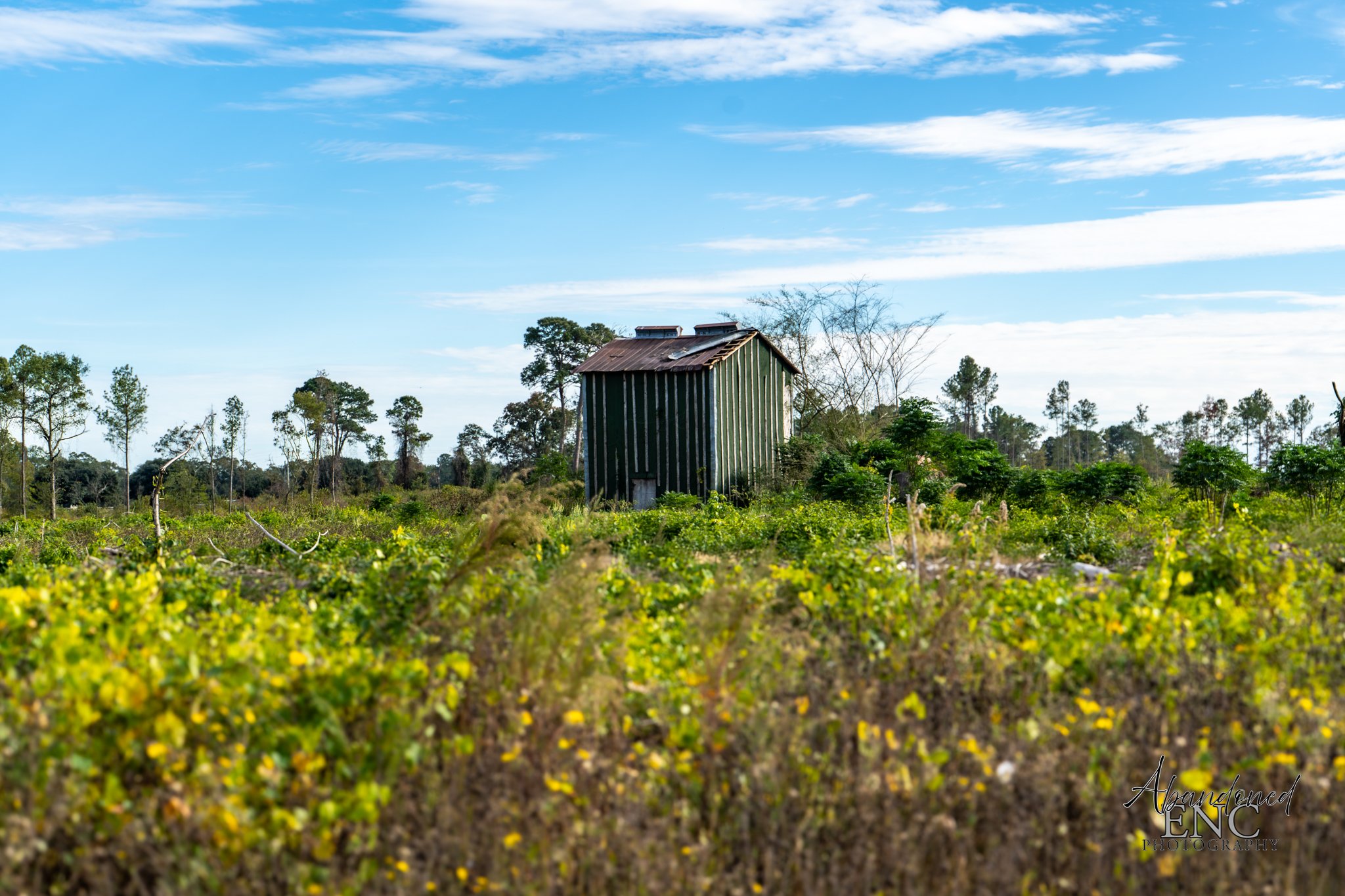
Lives on Borrowed Land: Tenant Farming and Sharecropping in Eastern North Carolina
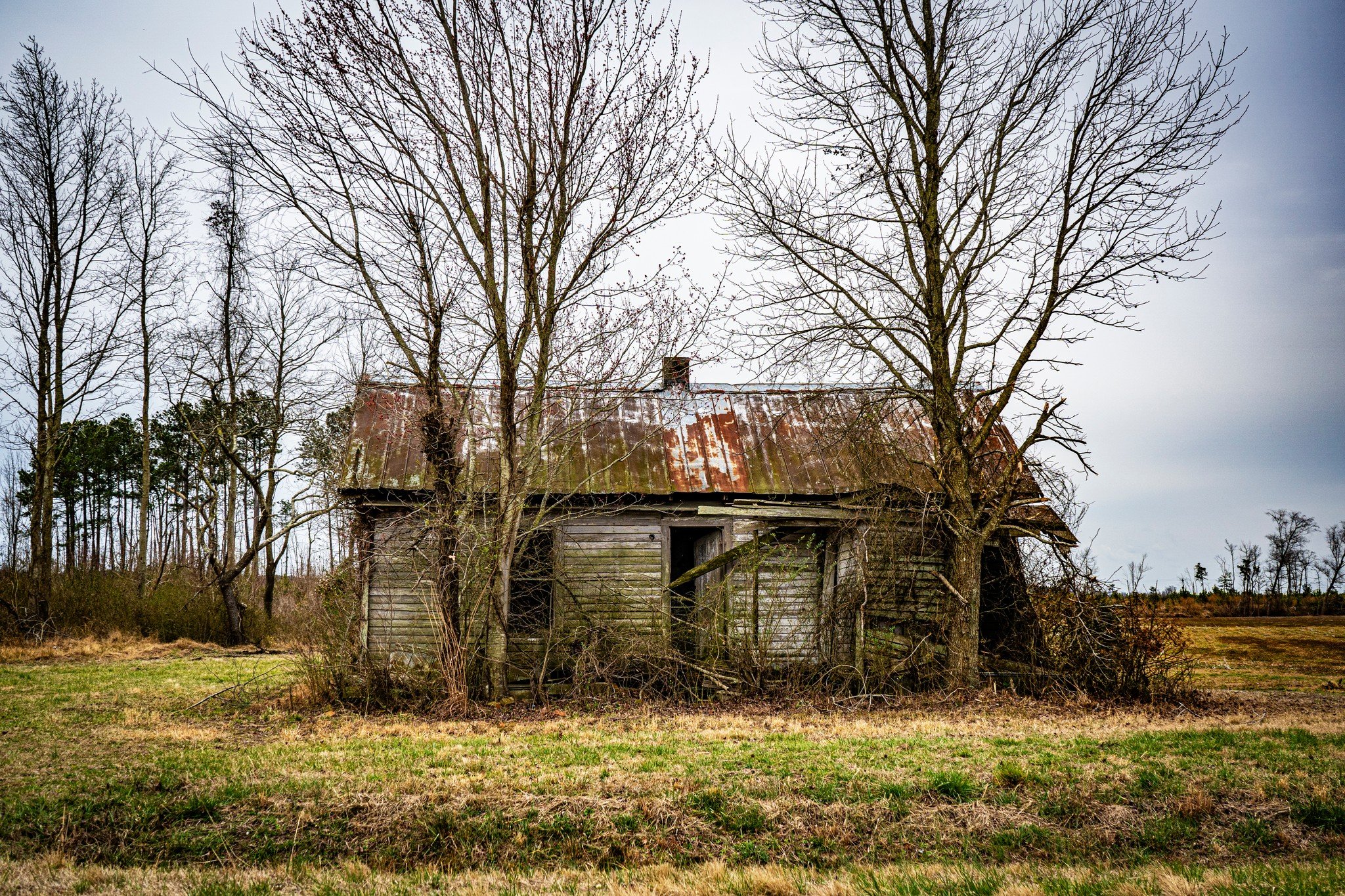
After the Civil War, agriculture in Eastern North Carolina changed dramatically. The plantation system that had defined the region collapsed, but landownership remained concentrated in the hands of a few. Formerly enslaved people and many poor white families were left with little land, little money, and few employment options. Out of this uncertainty emerged two agricultural labor systems that would shape rural life for decades: tenant farming and sharecropping.
Though often used interchangeably, the two systems were not the same.
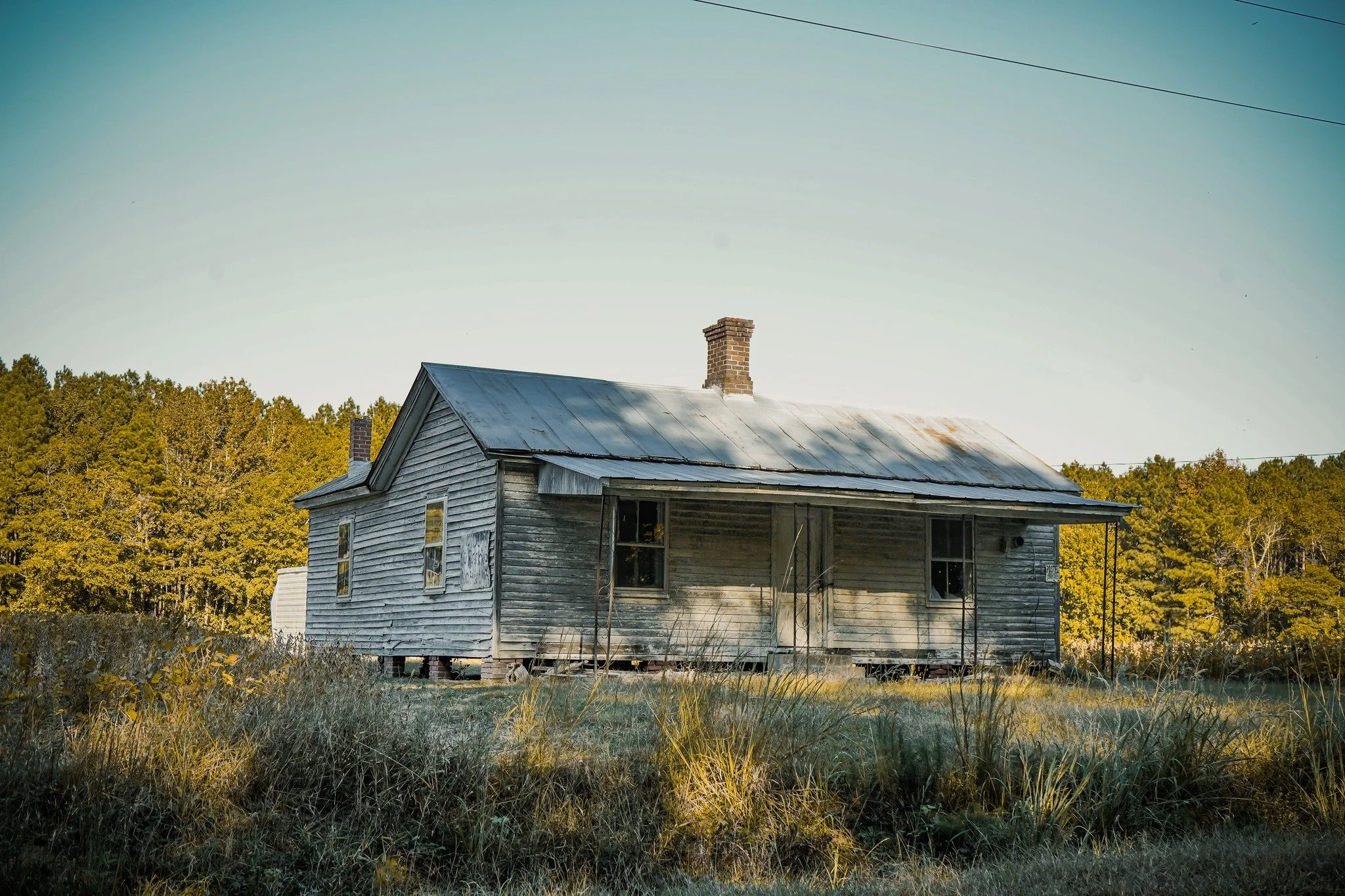
Tenant farmers typically rented land from a landowner for a set fee. That payment might be made in cash or as a fixed portion of the crop at harvest. What set tenant farmers apart was that they usually provided their own work animals, tools, and sometimes even equipment. Because they invested their own resources, they generally had more control over how the land was farmed. They could sometimes choose which crops to plant and how to manage their fields. After paying rent and settling any debts for supplies, whatever remained from the harvest belonged to them. While life was still difficult and profits uncertain, tenant farmers operated with a greater degree of independence.
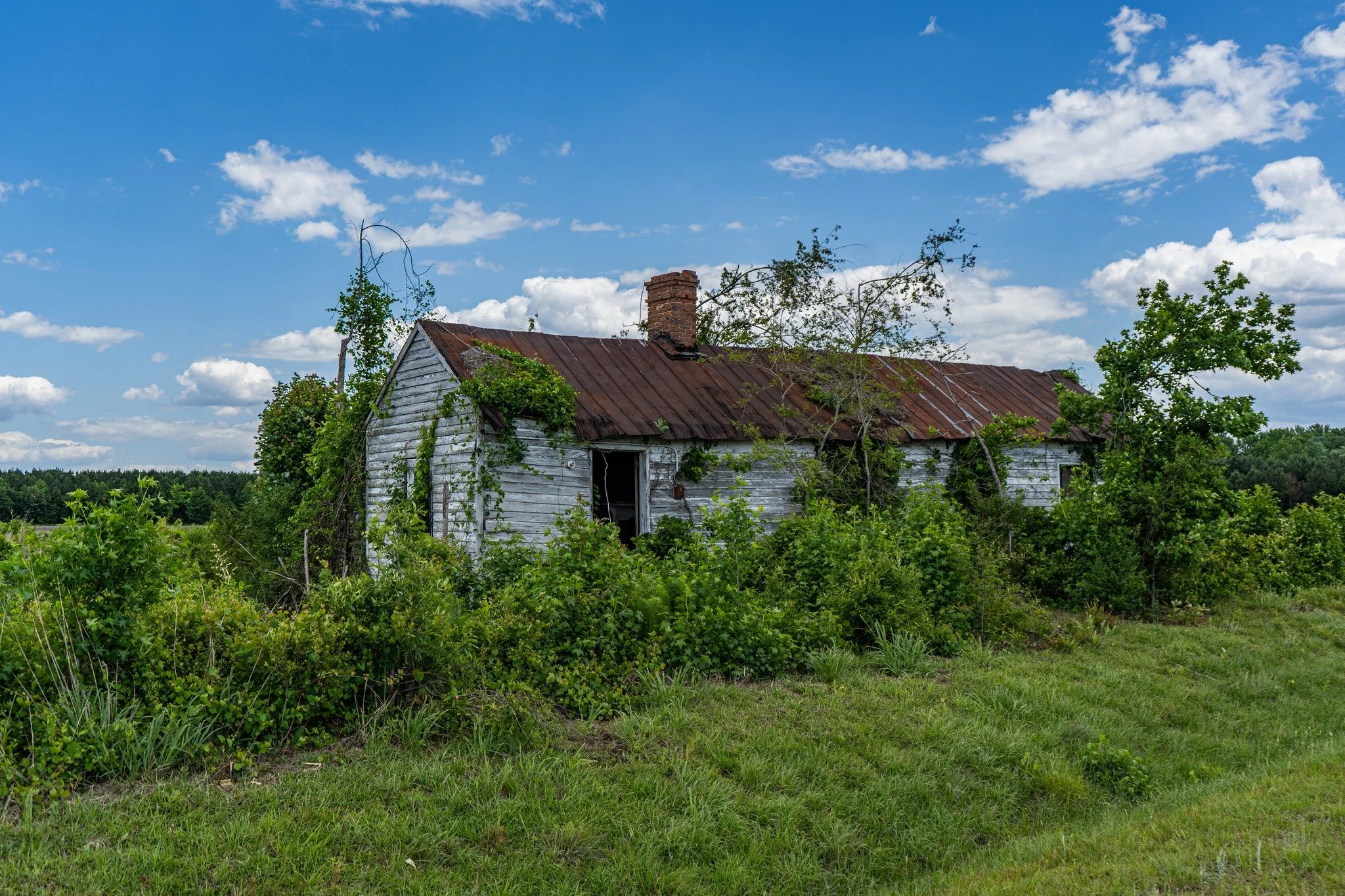
Sharecroppers, on the other hand, were far more dependent on the landowner. In this system, the landowner provided nearly everything: the land, the house, seed, fertilizer, tools, and draft animals. In return, the sharecropper agreed to give a significant portion of the harvested crop — often half — back to the landowner. Because landowners supplied the necessities on credit, the cost of those goods was deducted from the crop’s value before the sharecropper received any earnings. If the crop failed or market prices dropped, the sharecropper often ended the year in debt. That debt then carried over into the next planting season, creating a cycle that was difficult to escape.
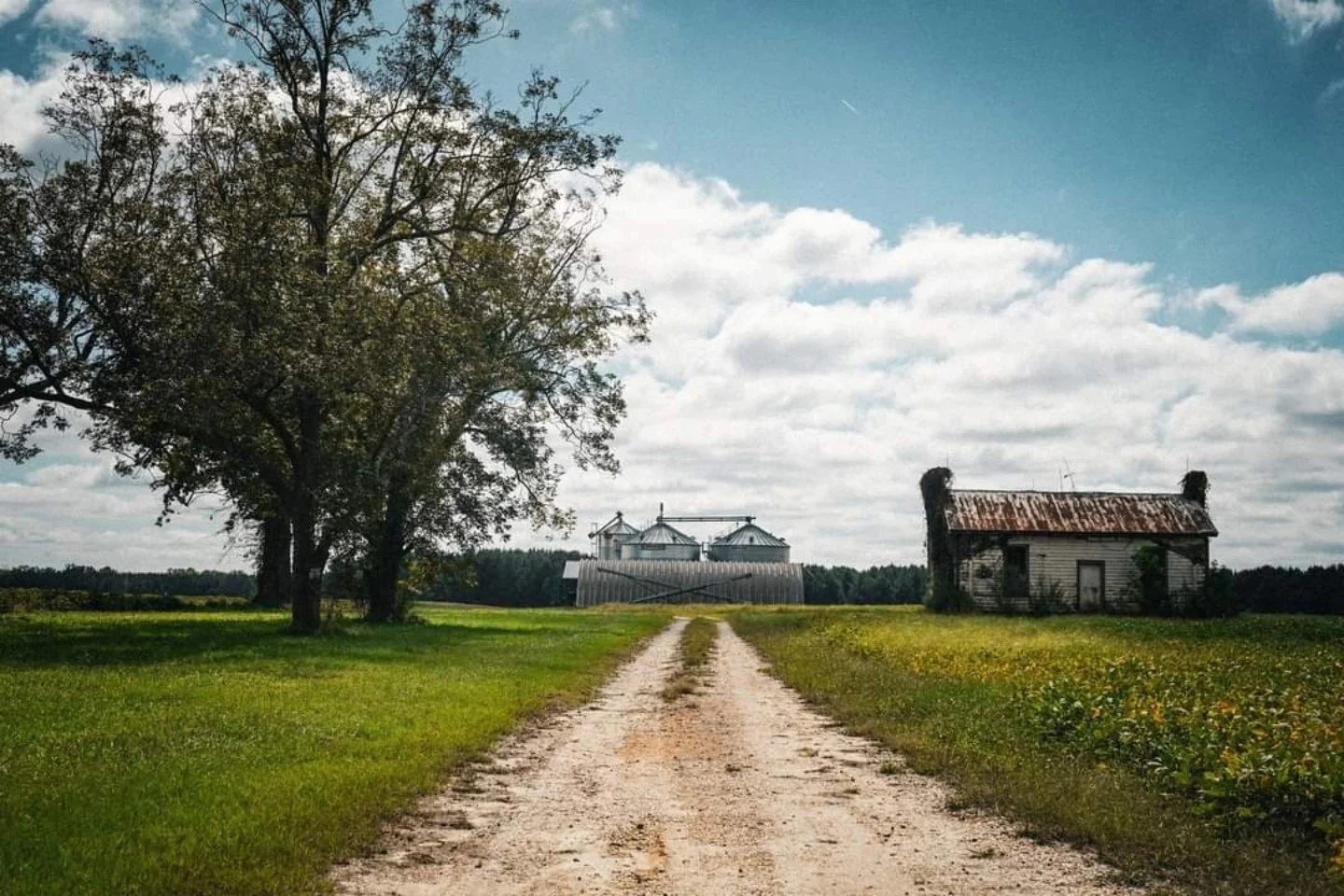
Both systems tied families to land they did not own, and both relied heavily on credit. But the critical difference lay in ownership of resources and decision-making power. Tenant farmers had some economic stake in their work because they supplied part of what was needed to farm. Sharecroppers, by contrast, depended almost entirely on the landowner’s supplies and financial structure, which left them more vulnerable to exploitation and long-term indebtedness.
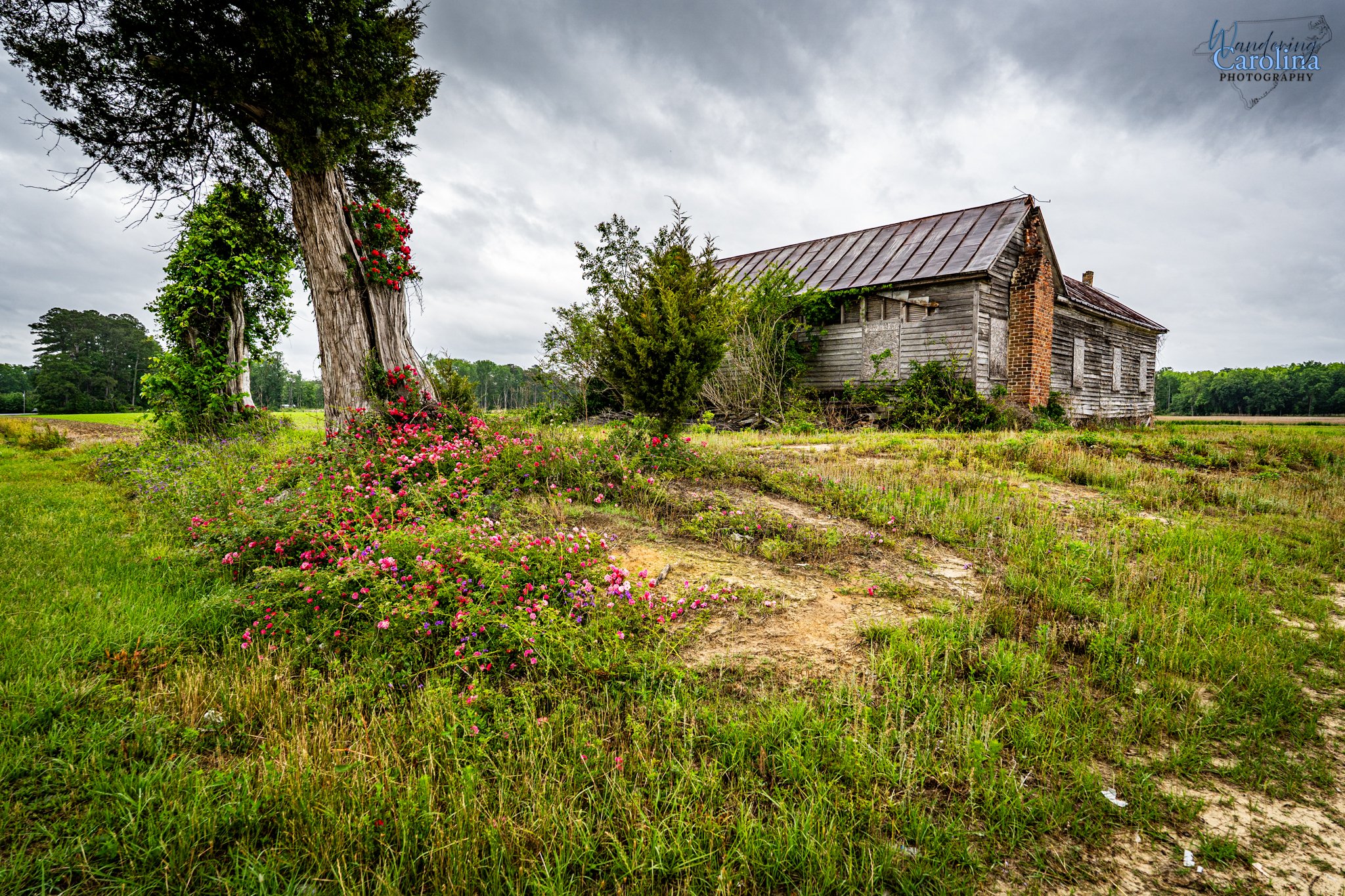
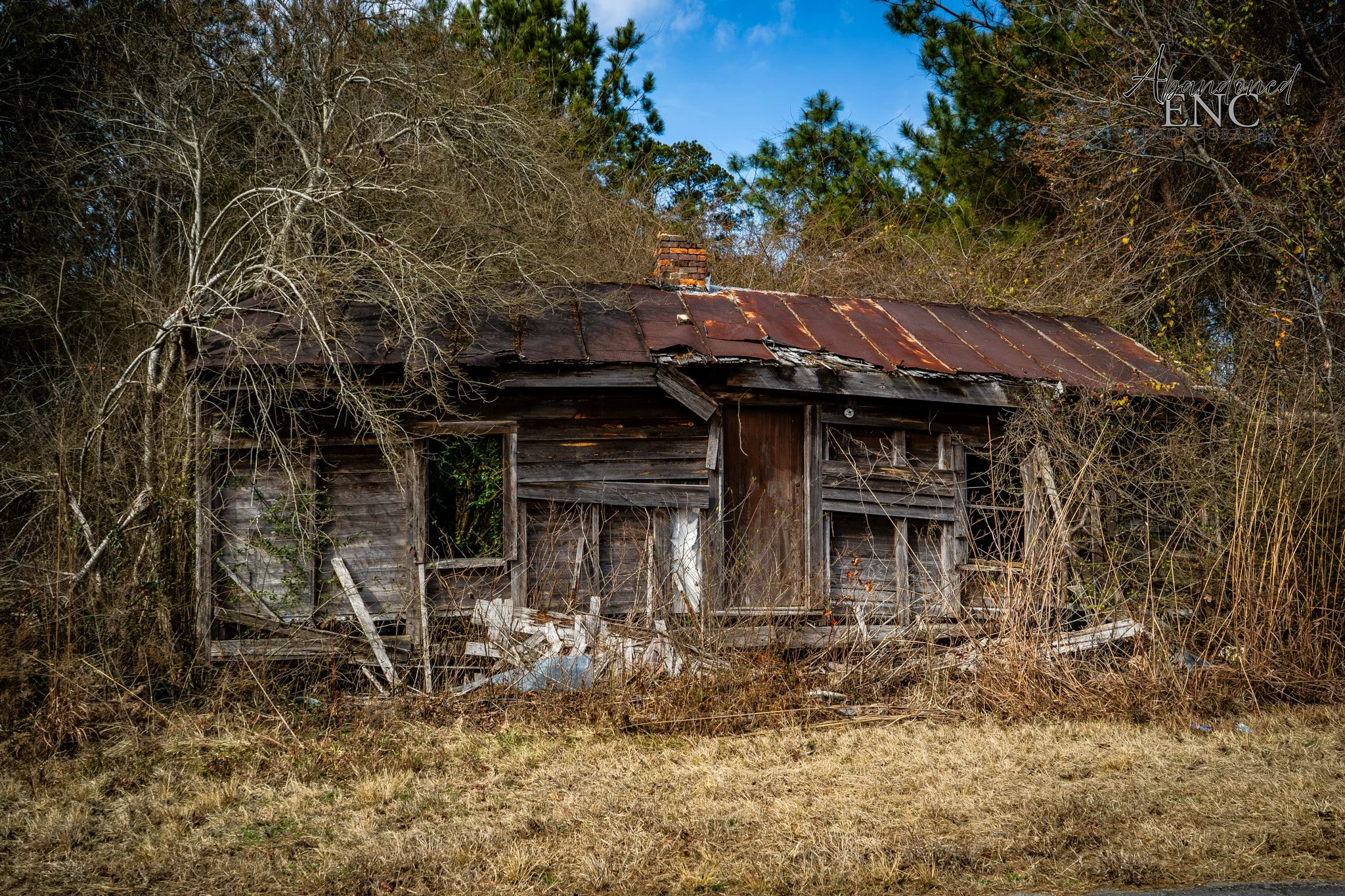
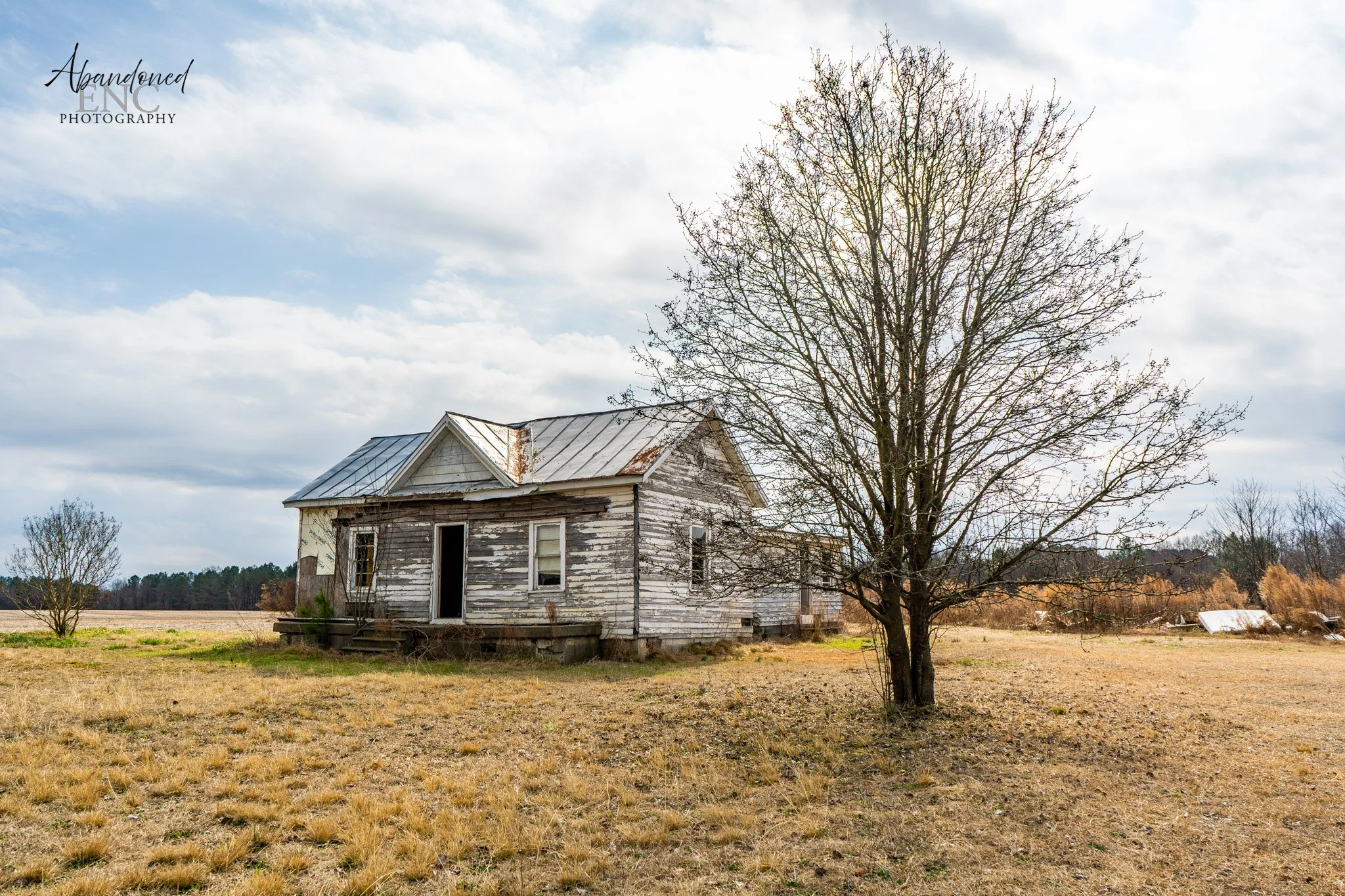
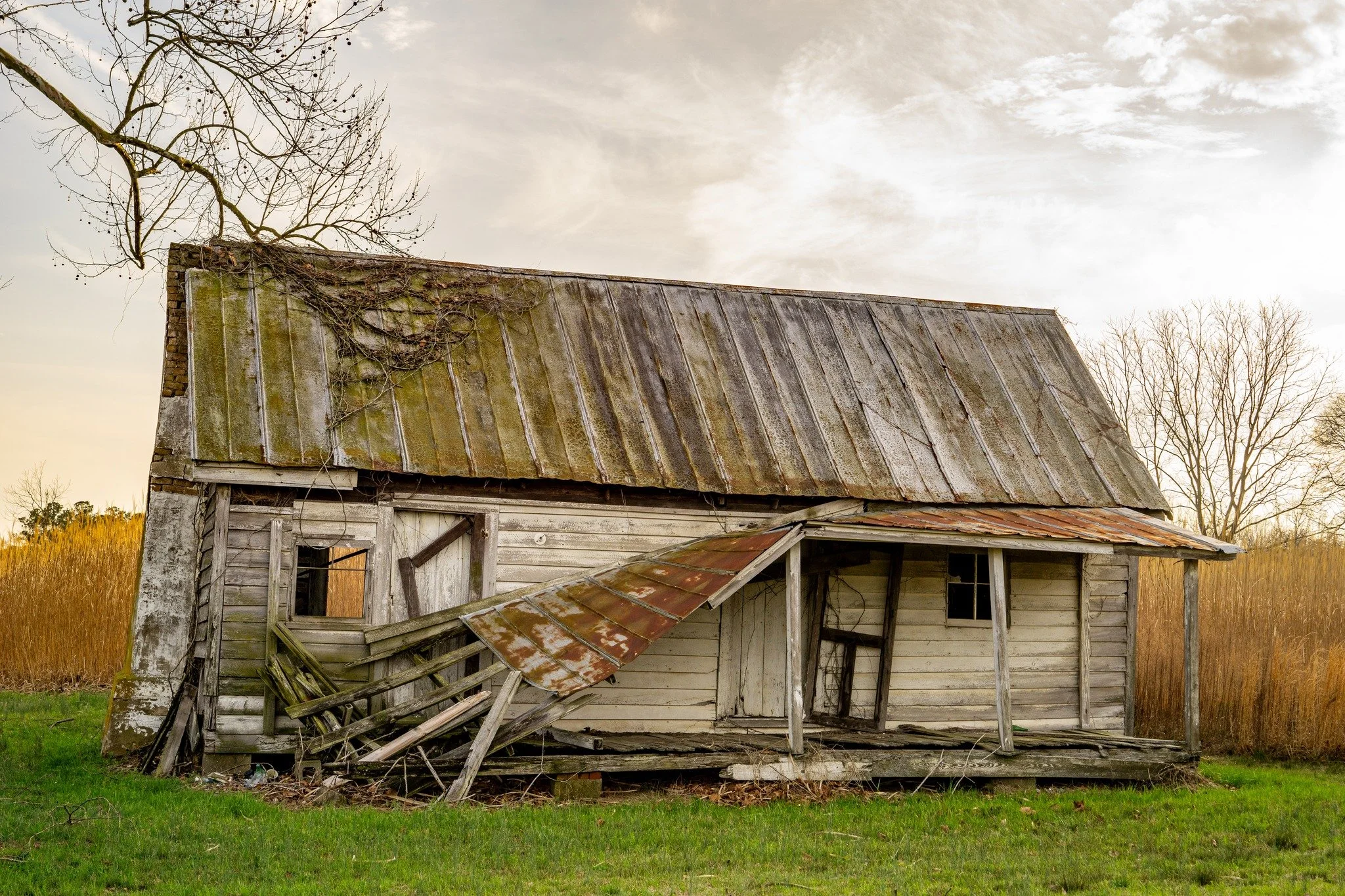
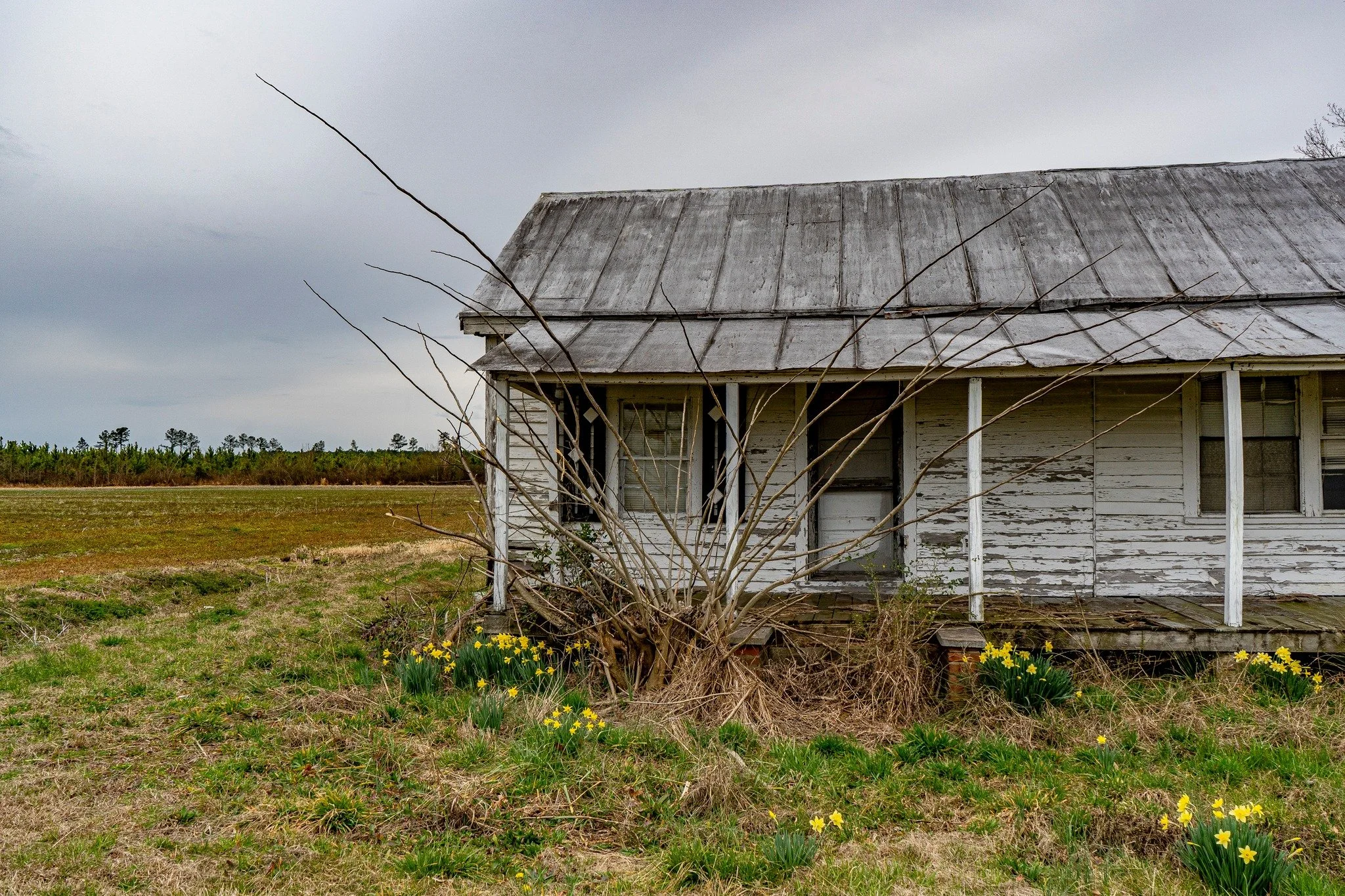
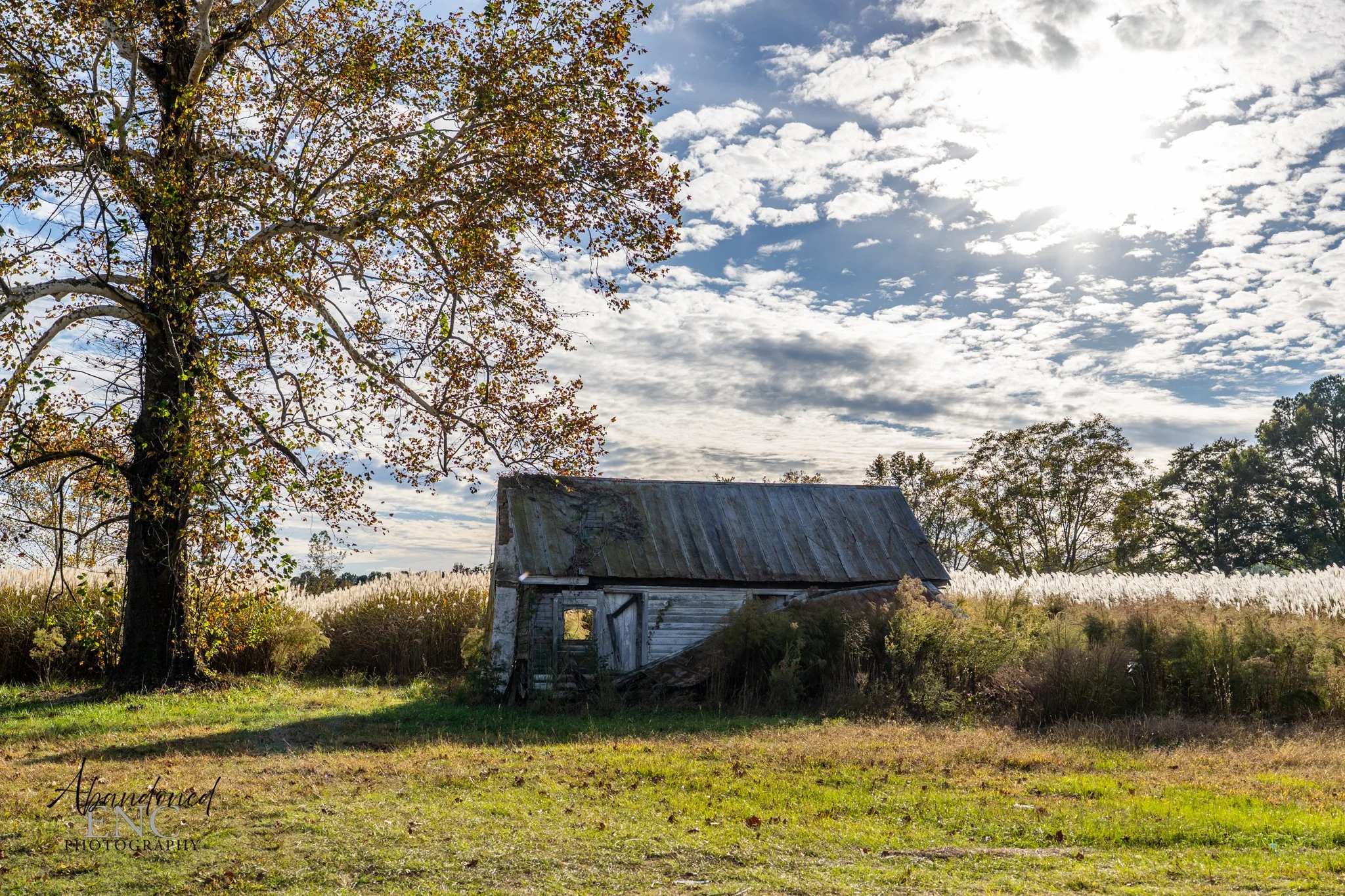
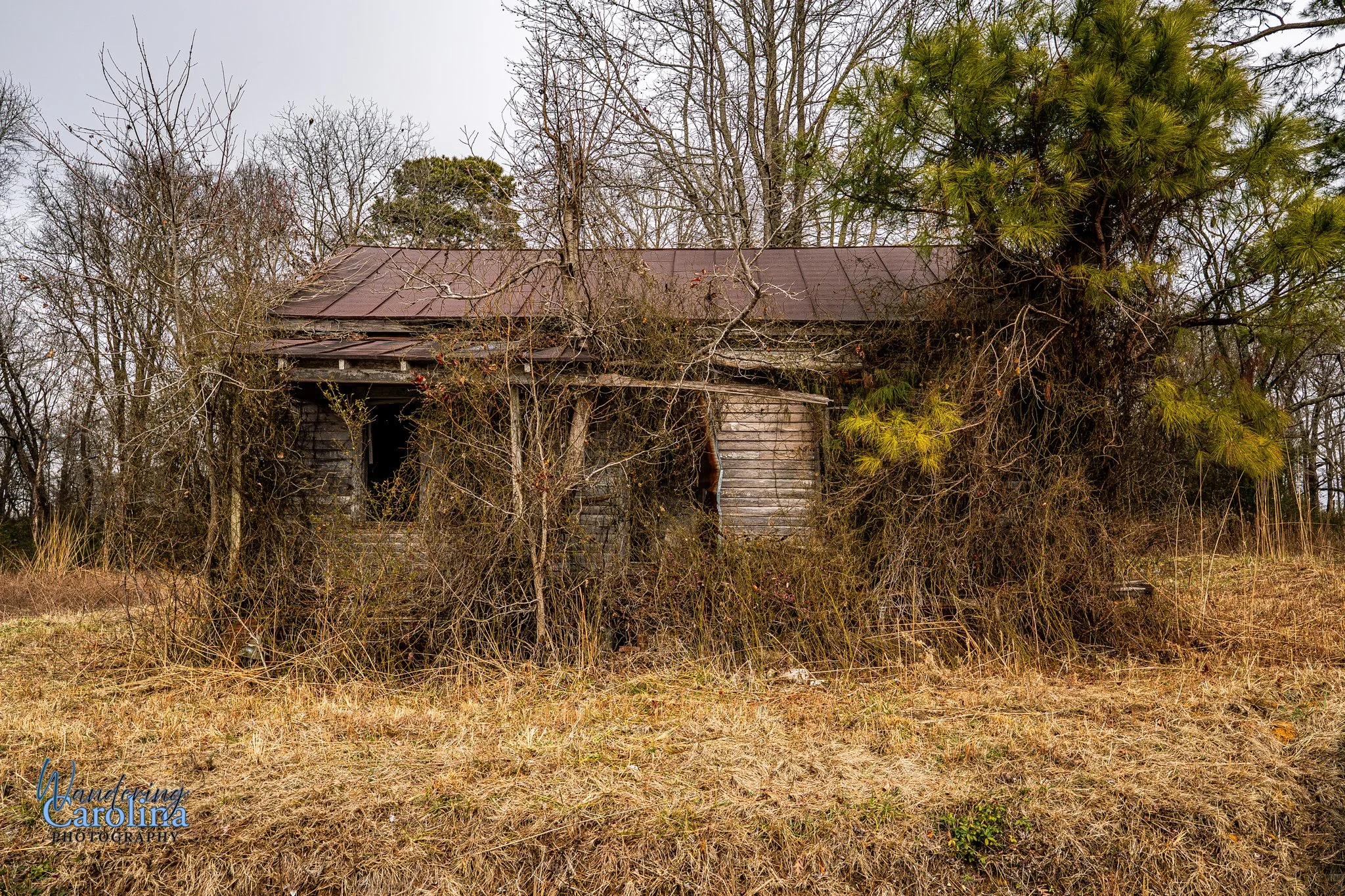
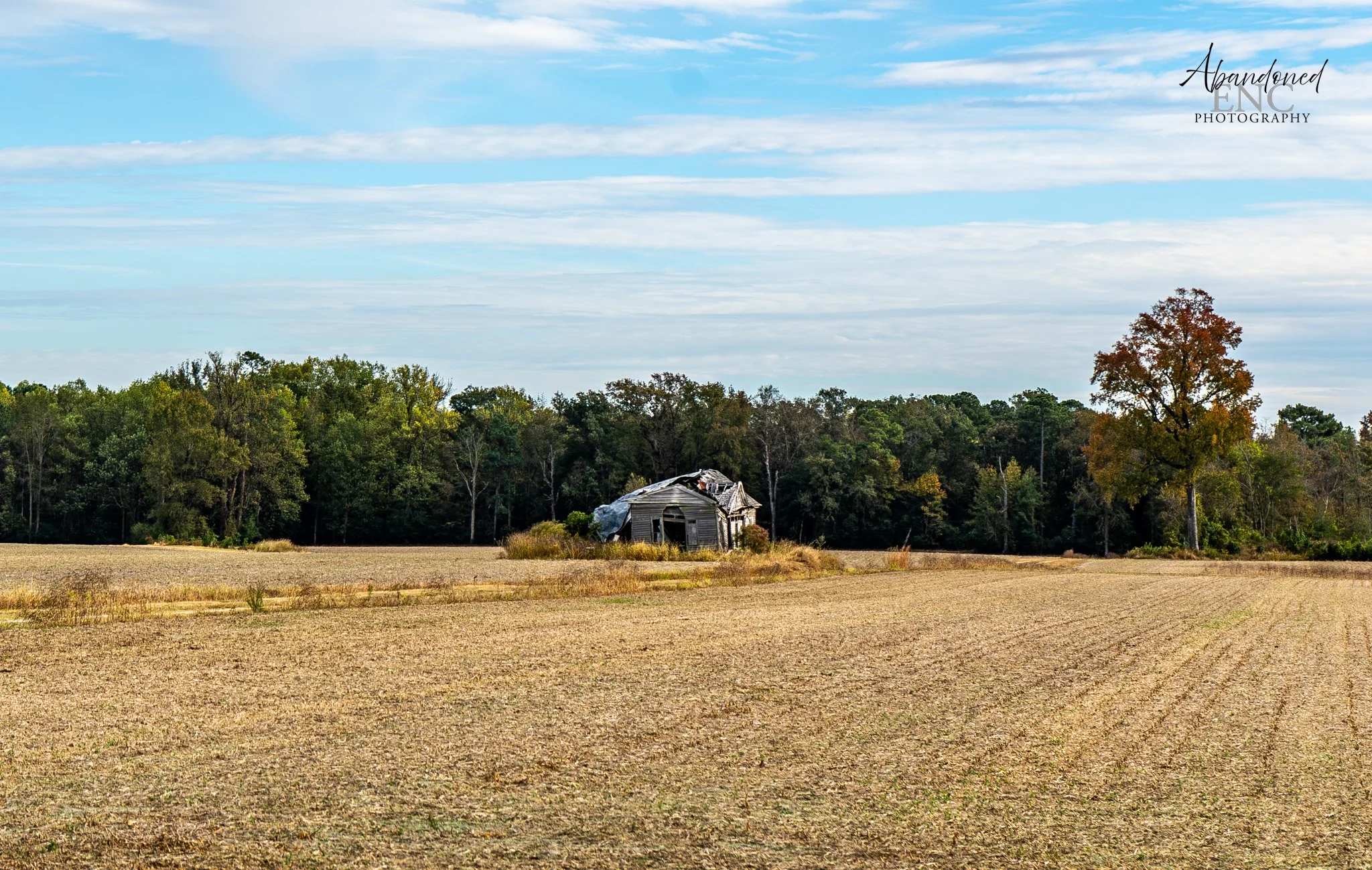
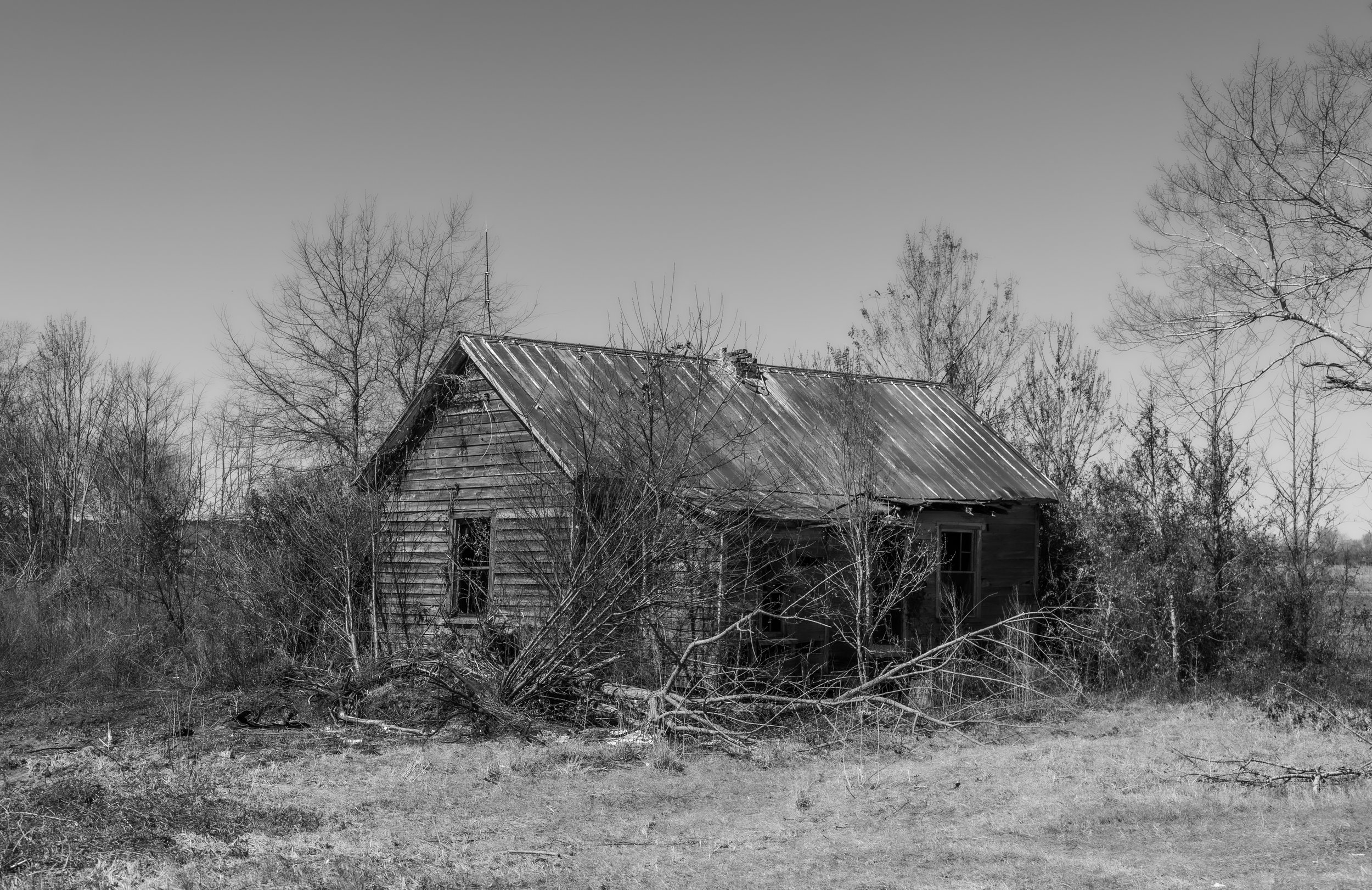
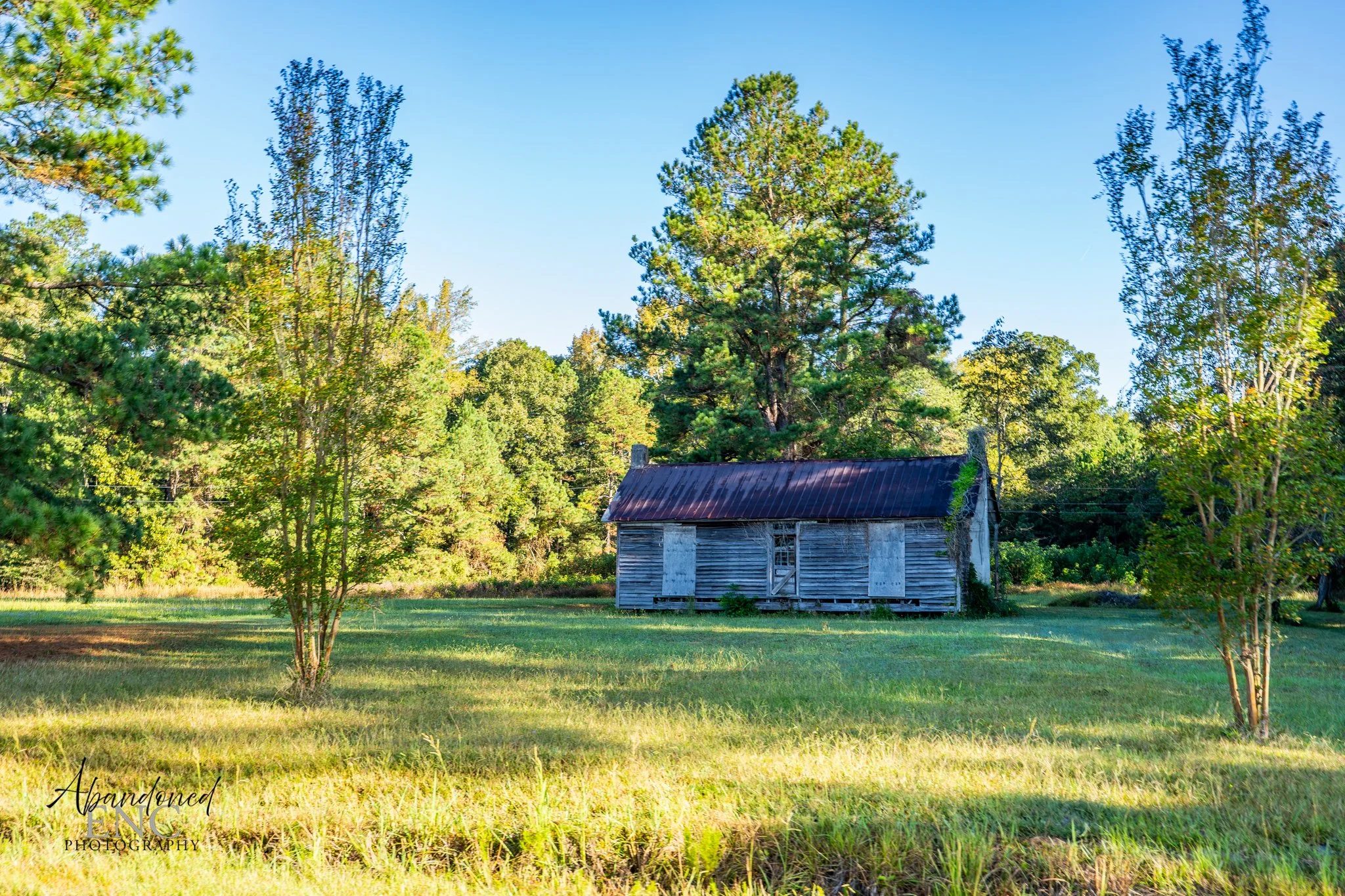
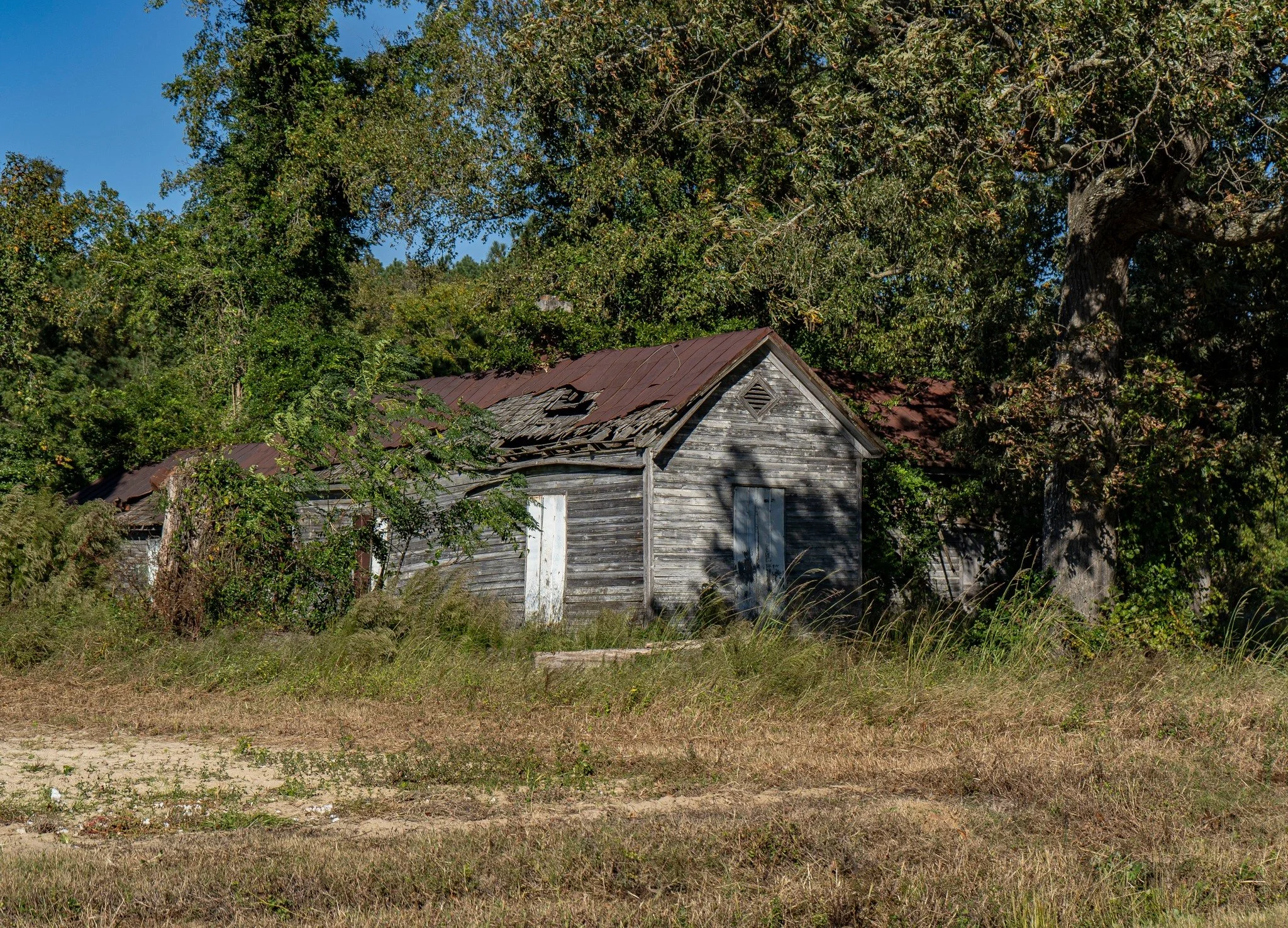
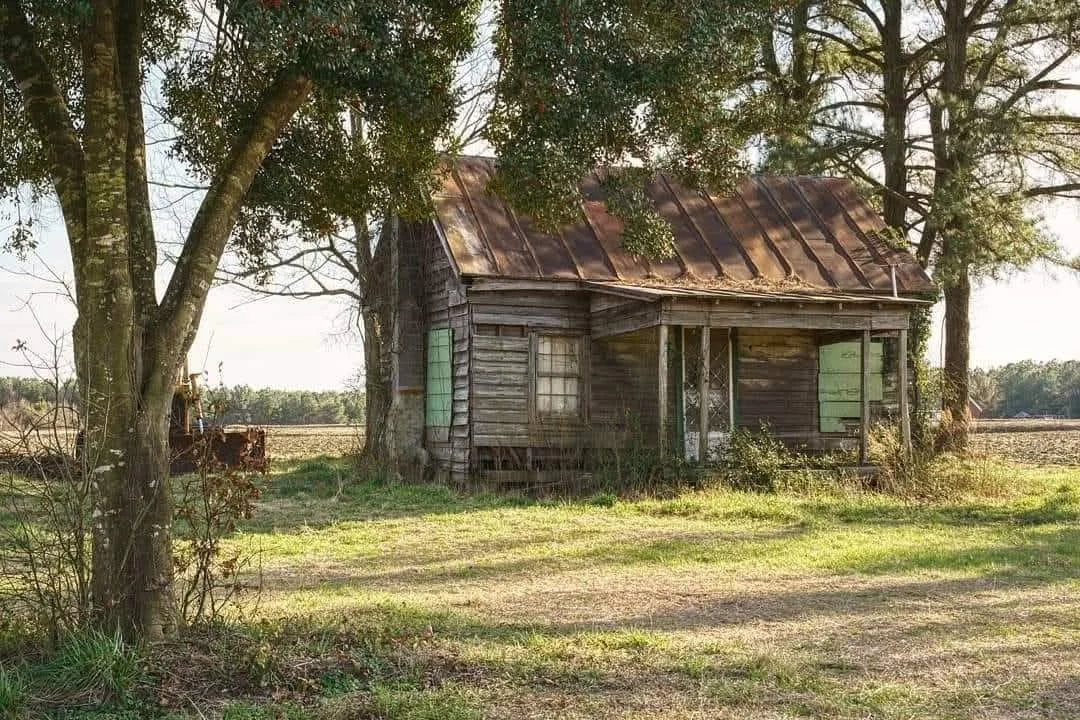
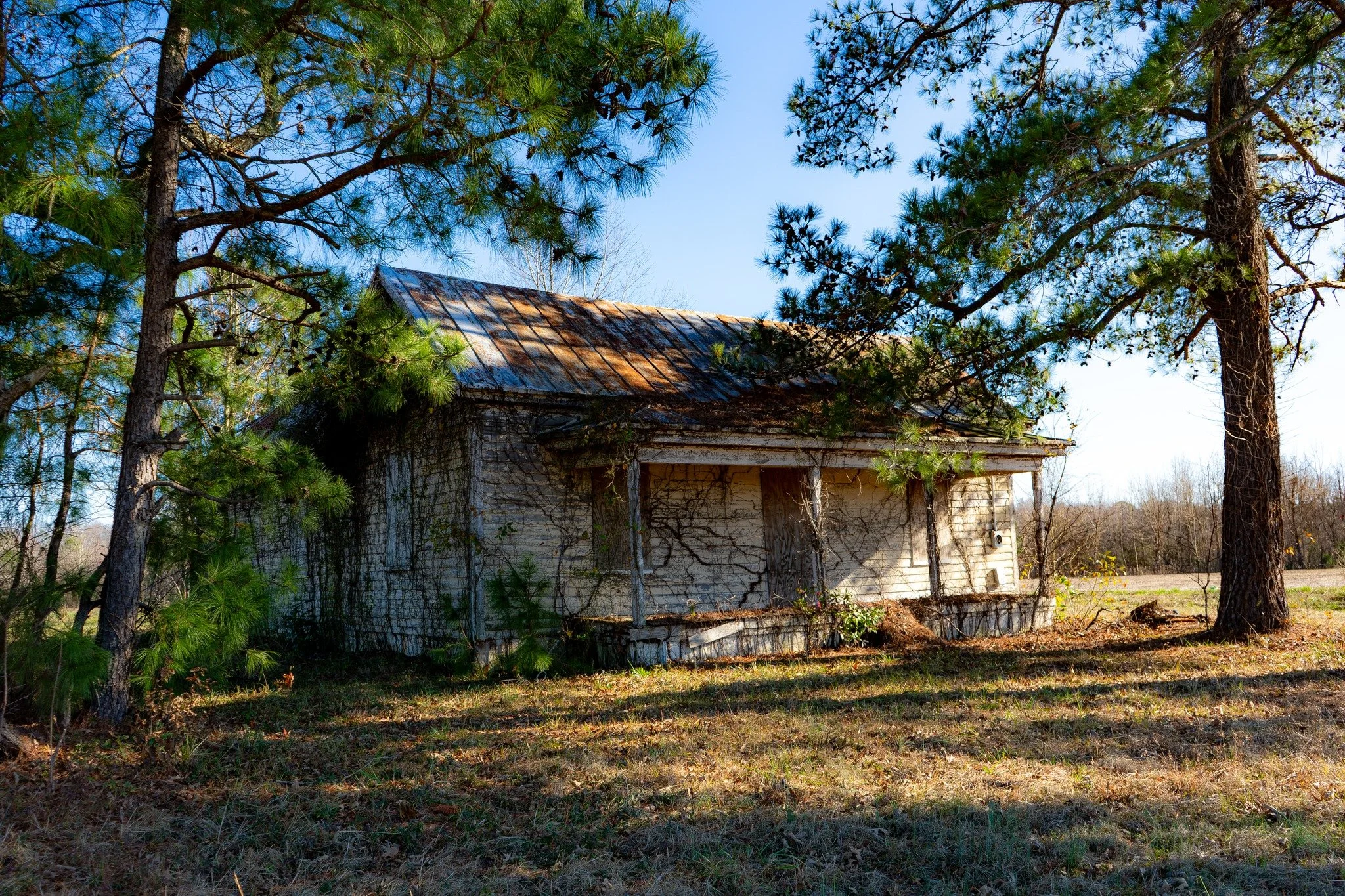
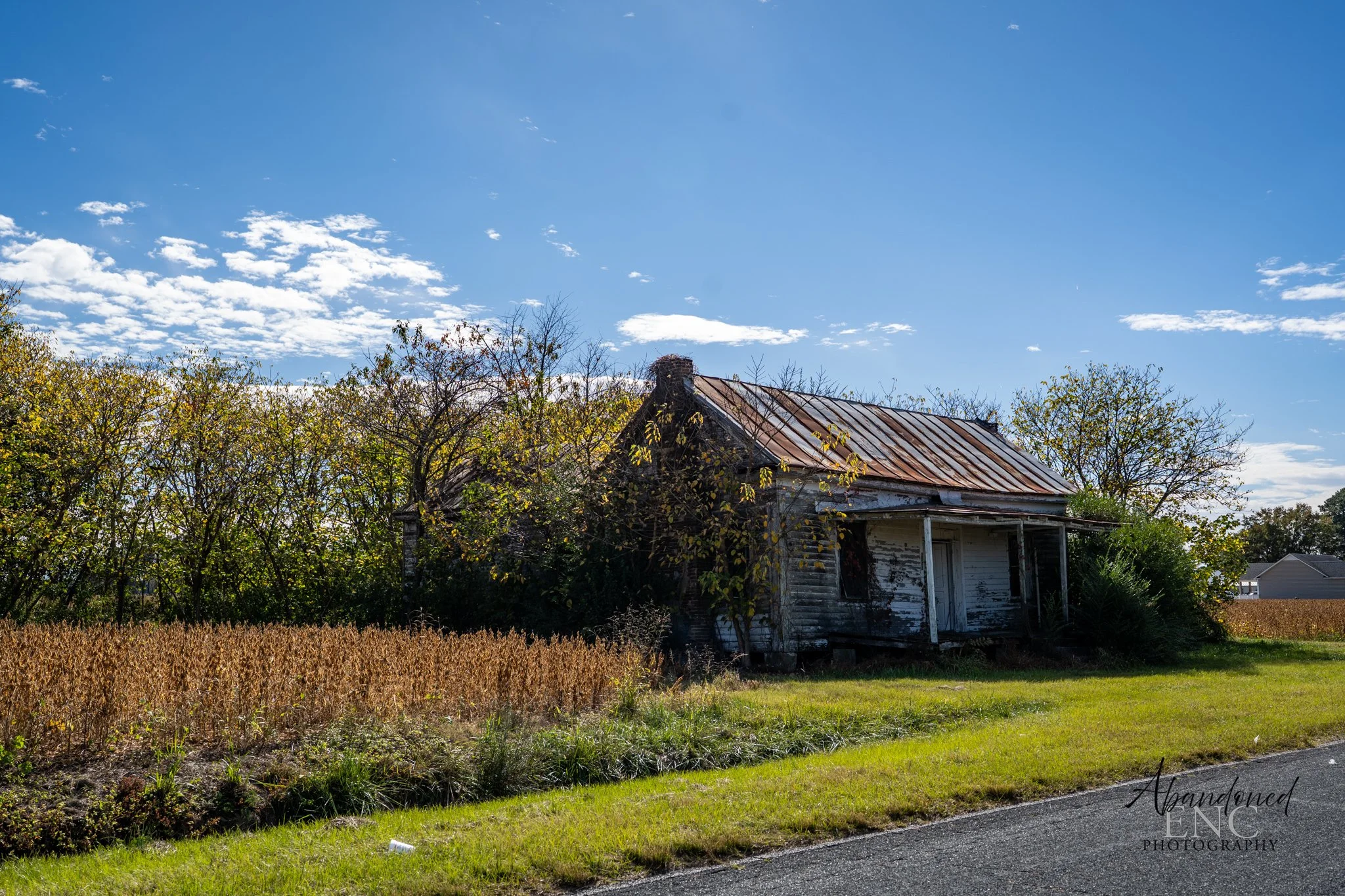
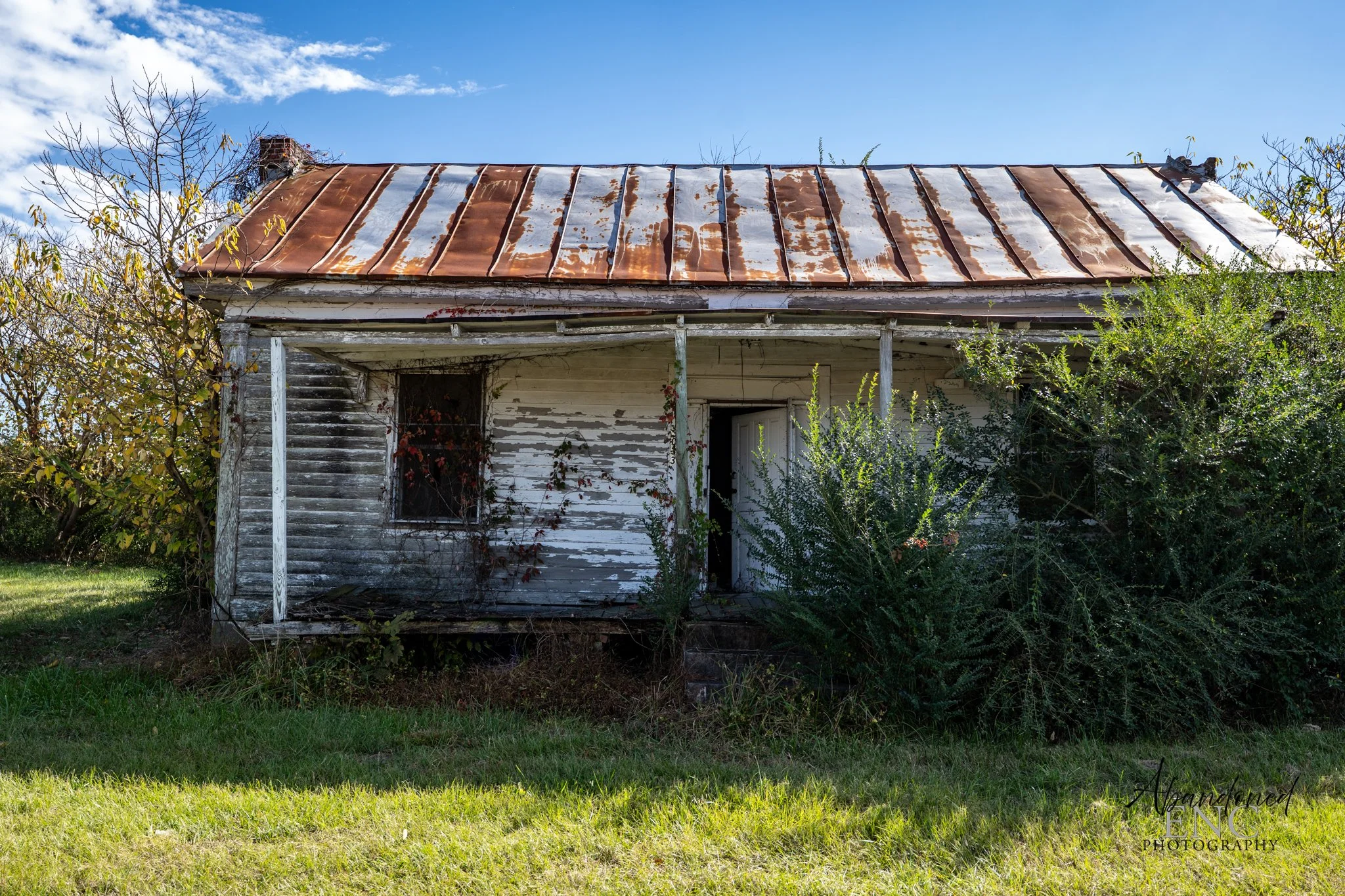
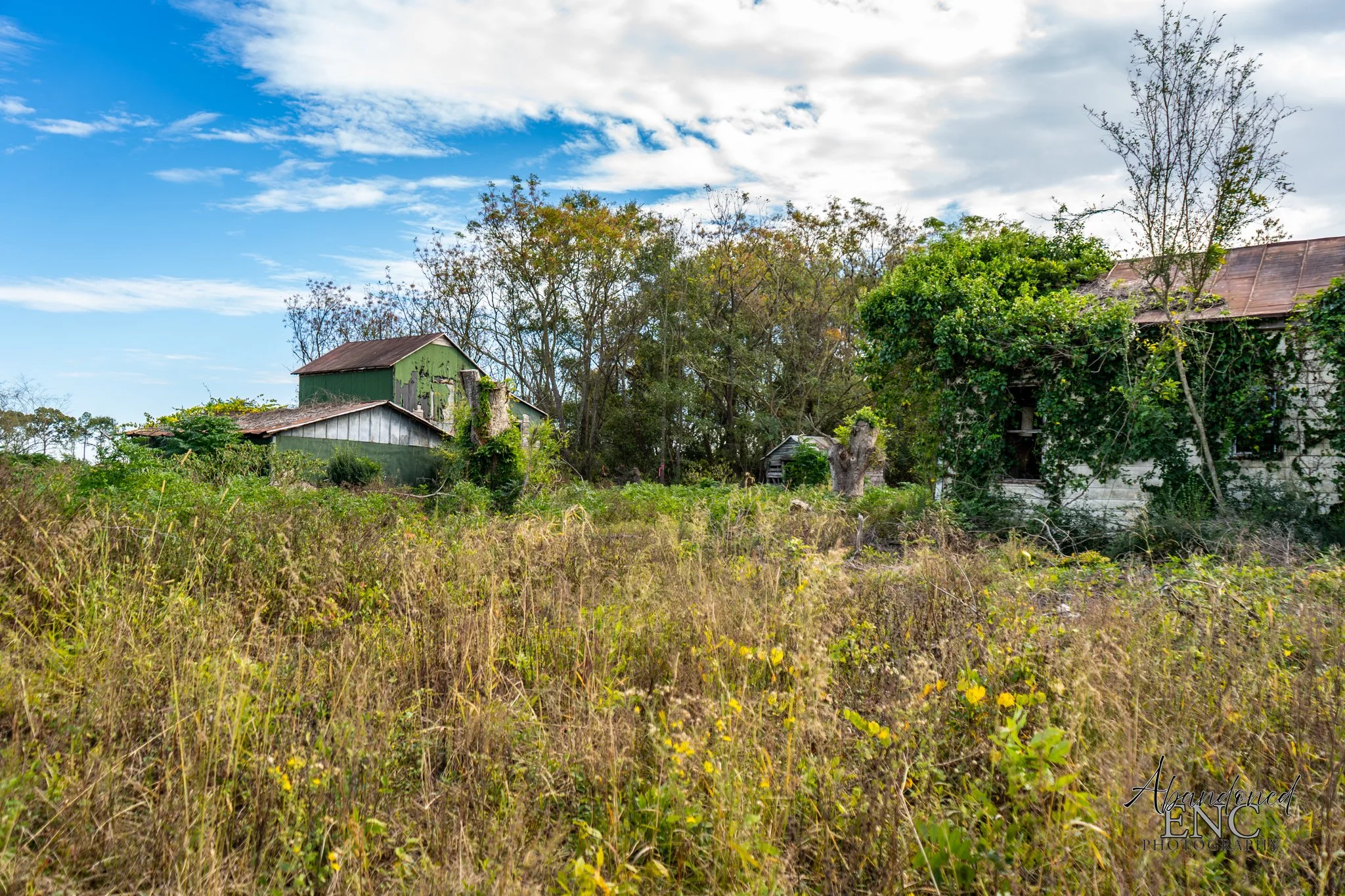
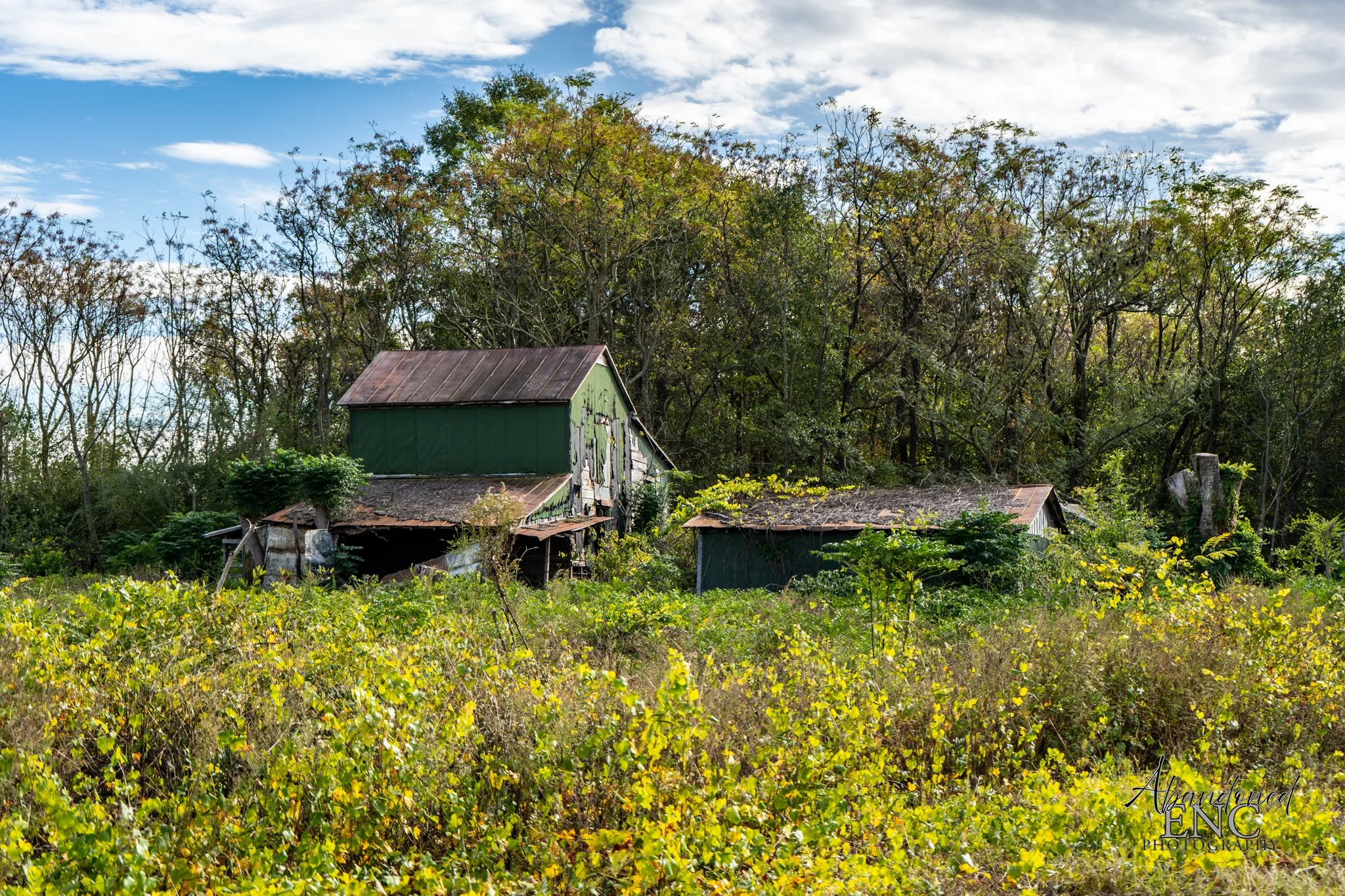
In Eastern North Carolina, these arrangements shaped entire communities. Tenant and sharecropper homes dotted the edges of larger farms, often separated from landowners’ houses by fields and dirt roads. These modest dwellings, many now abandoned, tell the story of families who labored season after season on borrowed land — working toward stability, yet often confined by the very system that made survival possible.
Information taken from:
"Sharecropping and Tenant Farming." NCpedia. State Library of NC. 2008. https://www.ncpedia.org/anchor/sharecropping-and-tenant.